
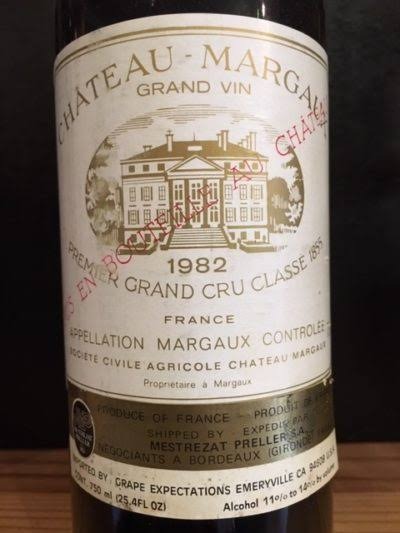
 As a wine writer and more importantly a wine lover, I have tasted a lot of wine. A small portion of it was dreadful, most was enjoyable but ordinary, often enough it is luscious, delectable, and captivating, and on rare occasions the experience is earth-shatteringly profound. The one’s that come to mind from that last category are wines such as Screaming Eagle, Vega Sicilia, Chateau Margaux, or Romano Dal Forno Amarone They are not merely delicious but life-changing, beyond measure, a vinous work of art. These are outrageously expensive wines and I don’t mean to suggest that only expensive wines can qualify as profound. I have had many profound wines of lesser reputation. I mention these “stars” only because their reputation helps locate the quality level I have in mind
If you have read many wine reviews you know what makes wine excellent according to the standards of wine criticism. Intensity of aromas and flavors, complexity, elegance, balance, and structure adding up to an overall impression of unity and completeness–these are the main elements in an excellent wine. But the best wines go beyond mere excellence.
What distinguishes an excellent wine from a work of profound, awe-inspiring vinous art? The cynics claim it is fascination with the price or reputation. But I have had my share of high priced wines of reputation that I found unexceptional, so this explanation can’t really get off the ground. Others will claim it is the story behind the wine that is most fascinating. And there is something right about this. Wine tells a story about its place of origin or its vintage year etched in the flavors and textures of the wine itself–the weather, the soils, the sensibility of a culture and the decisions of the winemaker all leave their marks that can be discerned through how the wine tastes. But ordinary artisanal wines have such stories, yet they do not fascinate in the way Screaming Eagle or Chateau Margaux fascinates.
Great wines are an achievement of human ingenuity in collaboration with nature and are noteworthy in their originality and expression. For instance, the 1982 Chateau Margaux set the standard for what a great left-bank Bordeaux should taste like. But there are many distinctive, original wines that don’t fascinate the way a great wine does.
Great wines stimulate the imagination because, in addition to having an origin and a story, they are beautiful. Their beauty is not incidental to their story; it is what stimulates us to care about it. Just as great works of art grab our attention because they promise something more, in great wines we sense an unrealized potential for further experience, we feel our interest aroused, curiosity piqued, as if we can never quite get enough of it. In other words, great wines induce a sense of wonder. They silence conversation and change the mood of a room from lively, sociable chatter to wistful surrender to the sublime, a contemplative state in which the wine itself seems to probe its own nature, searching for a more discursive means of expression.
All well and good but that tells us about our reaction. What is it about such wines that create that reaction? What is the margin that separates pleasure or satisfaction from awe?
Your mileage may vary, but for me I think it is the presence of contradiction and anomaly. These are essential to wonder, for wonder presents something that we can’t quite comprehend. We are transfixed by objects that are capable of harboring incompatible qualities. The wines I tend to think of as great all embody contradiction at their core: power and finesse, complexity and simplicity, weight and delicacy, solidity and agility.
It is a bit of a puzzle how one object can embody contradictory features. But that puzzle is solved if you think of a wine as having different facets that unfold over time and attract attention differentially. You can focus on a wine’s power and intensity but then be drawn by delicate aromas that play at the edge of awareness. A wine might be dynamic but find a moment of incredible stillness in the midpalate. It might open with shy delicacy but explode into the finish with boisterous energy. A wine might have a remarkably narrow aromatic vocabulary yet those elements can interact in complex ways.
Great wines are inexhaustible. They show something different every time you sample and each savor leaves the impression there is something more to discover. It is that sense of wonder or mystery that I want in a wine and it is rare enough that when it appears you remember why you began caring about wine in the first place.


I have enjoyed wines at high and low prices, like you allude to, price is not a guarantee of much. Some of the greatest wines were pretty inexpensive but the ambience and company made them exceptional.