
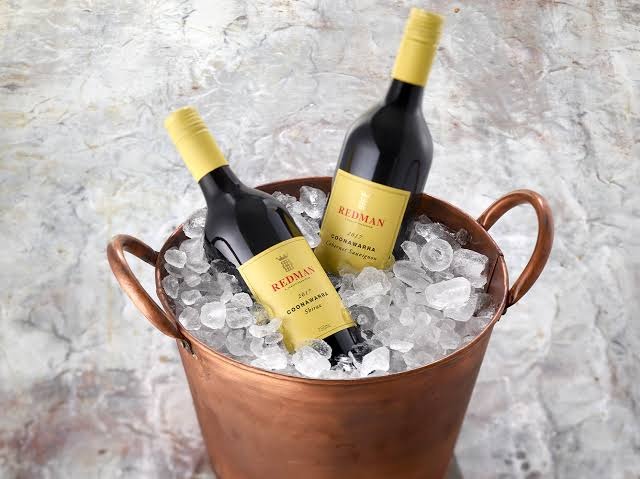
 If you read this blog you have probably heard the the standard advice about the right temperature to serve various wines.
Sparkling wines should be served quite cold, around 42-48°F. Light-bodied whites and rosés at roughly 45-50°F, with richer whites between 50-55°F. Light reds such as Beaujolais or some Pinot Noir can be served around 55°F, while fuller reds belong somewhere in the 60-65°F range. Note that it’s best not to serve Cabernet at the 72°F “room temperature” of the average American house. The traditional advice to serve red wine at “room temperature” arose in part from the practice of bringing wine up from a cool cellar before serving; the appropriate room temperature for wine was considerably cooler than what many of us now mean by the phrase.
I don’t find as many occasions to modify this advice about white wines. But I often prefer red wines slightly chilled, and not only Gamay or Pinot Noir. Temperature is one more variable we can manipulate to change the shape of a wine when it needs a little help.
Cooling wine slows down the movement of molecules and so the volatile aromatic compounds are less likely to become airborne. The wine will seem less complex or intense on the nose. But that doesn’t necessarily make the wine worse. A slight chill can tighten up a wine whose fruit seems unfocused. Alcohol becomes less obtrusive as well, which is especially useful with ripe, high-alcohol reds where ethanol becomes distracting if not unpleasant.
Go too far, of course, and the delicate floral notes disappear and the fruit is muted. So the occasion matters. Are you looking for some refreshment on a warm night; or are you studying the wine for its aromatic expression?
Temperature also changes what happens on the palate. Acidity becomes more prominent as a wine gets cooler, while sweetness and ripe fruit become less obvious. That’s one reason a warm red can seem soft and heavy but when ten degrees cooler suddenly acquires some backbone.
Suppose I have a ripe, plush California red with plenty of alcohol, relatively modest acidity, and soft tannins. Why would I automatically want to serve it at 65°F? Those are precisely the characteristics that a little cooling may improve. I might prefer it at 55°F and let it warm slowly in the glass. I enjoy the refreshment first and then the aromatic expression when it warms.
Tannic wines are more complicated. Cold can increase perceived bitterness and that can make a heavily structured Cabernet or young Barolo taste harsh. There is an interesting wrinkle here. The drying sensation we associate with tannins depends partly on tannins binding with proteins in saliva, and cooler temperatures may slow that interaction somewhat. But that modest textural effect will not rescue a bitter, tannic wine. Perceptually, the bitterness usually wins.
So I wouldn’t replace the old rules with a new rule that says “chill your reds.” That would miss the point.
Serving temperature is a decision that requires some interpretation to get right. What does this wine have too much of? What does it lack?
We love wine because of the variations it is capable of exhibiting. Serving temperature is another source of variation that makes a wine more interesting.

