
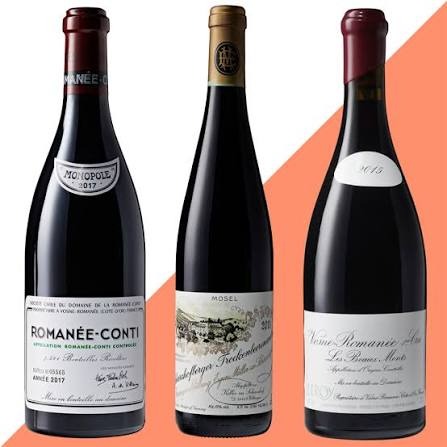
 Rare wine has a peculiar power over us. Tell someone a bottle is hard to find and sold only through a mailing list and the bottle will have an aura of prestige even before the cork is pulled.
That in itself is not unreasonable. Scarcity can indicate genuine value. Vineyards that produce distinctive wines are often small. Yields must be limited to keep quality high and the producer may not want to buy fruit that would compromise that distinctiveness in order to increase production. Wine is interesting because of very fine-grained differences. Unique sun exposure, a rare clone, or a peculiar soil can make the grapes from a site unique. If increasing production destroys those differences, then limited production protects the conditions under which the wine can be distinctive. That is a win for aesthetic value.
But scarcity has a dark side because it creates desire. Once a wine becomes difficult to obtain, people begin to want it partly because other people cannot have it. The price increases and allocation systems appear. But the wine may not have earned that prestige.
This is not unique to wine. A painting sells for millions and viewers start looking for the greatness they assume must be there.
But I think wine is especially vulnerable because evaluation is difficult. Differences between wines are often subtle and many wine lovers lack the experience to discern those differences. This is especially true of prestige wines. Most people will never taste the rarest bottles often enough to gain the ability to form an independent judgment.
So rarity is not to be discounted but it is aesthetically ambiguous. A rare bottle can encourage you to pay more attention. If you know you may never taste it again, you slow down, are less casual., and more receptive to the virtues of what you’re drinking.But it can also do the opposite. You may become so invested in the bottle’s reputation that you stop asking what the wine is actually doing. You taste the price or the story and the wine disappears.
How can you tell if you’re drinking real scarcity or just the prestige?
The test is simple enough in principle. Imagine the same wine without the famous label or four-figure price. Would you still care about what is in the glass?
But that is not so easy in practice. If it’s your wallet that is lighter you have a reason to want the quality to be real. It’s called the price-bias effect. A higher price tag can physically change your perception of quality. Because you paid a lot, your brain expects the wine to taste good and neuroscientists have shown that the wine label itself increases activity in the pleasure centers of the brain.
The only way to counter the price-bias effect is to focus relentlessly on the sensory details looking for clues that the wine isn’t measuring up. Or have a second glass. If you find you’re losing interest or feeling underwhelmed, that indicates the quality just isn’t there.
On the other hand, you have already paid for the wine; you might as well enjoy it. How much does it matter whether the pleasure comes from quality or prestige?
How you answer that question is a test of how much the truth matters to you.

