
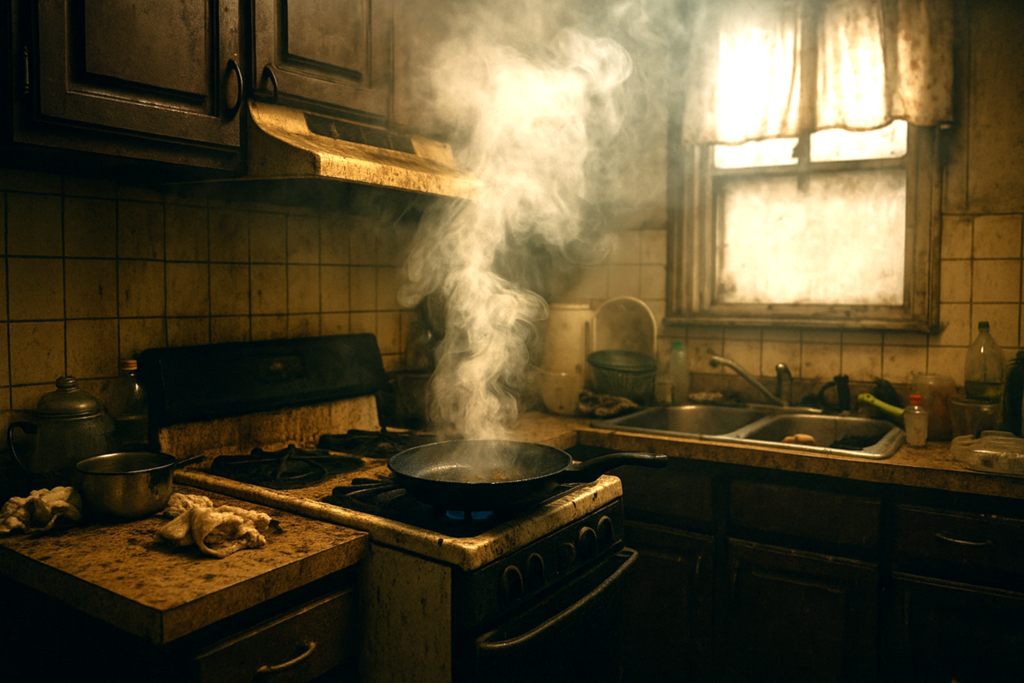
 There is a particular incantatory tone that haunts much of contemporary food writing—a metaphysical streak dressed in lyrical finery. You know the type. It speaks of soup as salvation, bread as ritual, the kitchen as sanctuary. It claims that cooking sustains the soul, rekindles joy, brings hope to the disenchanted. These refrains populate essays, memoirs, and editorials with the fervor of gospel, and like gospel, they are repeated until their cadence becomes orthodoxy.
But what exactly do these claims do to food?
They claim to elevate it. But in doing so, they often float above it. In the rush to link cuisine to comfort, to find in the sauté pan some proof of the human spirit’s resilience, we risk abstracting food into symbol, into metaphor, into balm. Stripped of its grease, its crunch, its stink and smoke, food becomes a therapeutic medium rather than a material one—a vehicle for uplift, not confrontation.
The irony is sharp: food writing that aims to celebrate the sensuous ends up blanching it. In chasing the “meaning” of a meal, it forgets its bite. Texture, intensity, even failure—the botched crust, the oversalted broth, the scorched edge of a tarte tatin—are subsumed beneath narrative redemption. The dish may collapse, but the heart expands.
This metaphysical drift is not new, but it has been codified into the journalistic regimen. It appears in the soothing rhythms of personal essays, in the quiet epiphanies of substack confessionals, in the over-rehearsed declarations that “this dish saved me.” There is truth in these accounts—food does nourish, restore, and console. But is that all we want from it?
What if, instead, we let food remain worldly? What if food writing reclaimed the stubborn materiality of its object—the labor, the mess, the untranslatable flavors of anchovy, tamarind or rendered pork fat? What if we stopped asking food to be therapy, and let it be thick with ambiguity?
There is beauty in the lyrical. But lyricism that floats above its subject matter risks forgetting the very thing it claims to love: the crackle of hot oil, the drag of dough, the stubborn, intractable real.
 Exploring the Philosophy of Food and Wine
No one is writing like you, Dwight. This is a really thought provoking post. As usual. Thanks.
Tom…
Thank you, Tom.