
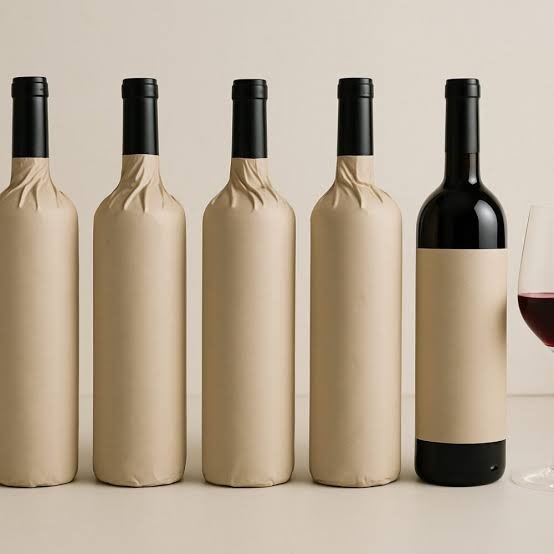
 Well, we don’t want critics to be influenced by price or the reputation of the wine. Of course, we can mitigate those temptations by insisting that critics taste blind.
But do we want that much objectivity?
Part of what we want from a critic is their perspective built over years of experience. And part of that experience involves knowledge of a winery and its production method or a vineyard and its terroir. Critics have to assess the degree to which a bottling meets the standard it’s previous vintages set.
When tasting blind, the accumulated knowledge and taste memories from years of experience is short-circuited. It makes no sense to isolate an evaluation from one’s prior judgments if the point of evaluating a wine is to see it in light of those prior judgments. Some of the virtues of a wine can be discovered only by putting that wine in context. Not all pre-judgments we bring to a wine are inherently misleading; some are revealing.
But what about a critic being influenced by reputation or price? There is plenty of empirical data that suggests that wine drinkers will evaluate more favorably wines that are expensive or highly-regarded. But I doubt that the most experienced critics are subject to the same biases as non-experts. Wine critics routinely taste wines with high price tags and a reputation to match it. Why would they be impressed? A non-expert who shells out $200 or more for a highly-regarded wine has every incentive to want to view it favorably—to justify the expense, to flatter her palate, or enjoy the status that comes from the association with luxury. Professional critics don’t have those incentives.
But they have incentives of their own that can disrupt objectivity.
Experts can be influenced by financial incentives. If they work for publications that sell advertising, they may be reluctant to criticize wine from an advertiser. And they need access to the wines they review. Producers may be reluctant to send samples to critics who give their wines lower scores than their competitors. But scores and write ups can be “adjusted” to conform to a publisher’s business needs. Blind tasting won’t eliminate that bias,
The more difficult issue is the personal relationships that experienced critics develop with wine producers. If you have a long-standing friendship with a winemaker, can you objectively evaluate his/her product? I doubt it. And we also need to entertain the hypothesis that some critics don’t want their evaluations to depart too significantly from the opinion of other critics lest their tasting skills be called into question. Some people prefer not to be an outlier; others relish it. It is hard to say how much of a consideration this is.
However, I think we need to be careful about making a fetish of objectivity. The relationships that critics have with producers also enable them to acquire information and perspective that would otherwise be unavailable. It is helpful to view a wine through the “eyes” of the people who make it. And that perspective can only be gained if critics develop relationships with producers. Judgments made on the basis of that information may not be objective, but objectivity isn’t the point. We all view the world from a highly personal perspective, and it is that perspective with all its biases intact that writers express and readers enjoy. The (well-informed) personal preferences of wine critics are precisely what their readers are interested in. There is no need to try to eliminate that sort of subjectivity from wine criticism.
It’s probably a good idea to taste a wine blind first. A critic’s initial impression is an important data point. But at some point in the evaluation process, the critic should know the producer and site so she can assess the wine in context.
There are many areas of life where objectivity is out of place. Love when encumbered by the demand for impartiality will surely dwindle. Those who demand too much objectivity with their wine may well find Love’s Labour’s Lost.

