
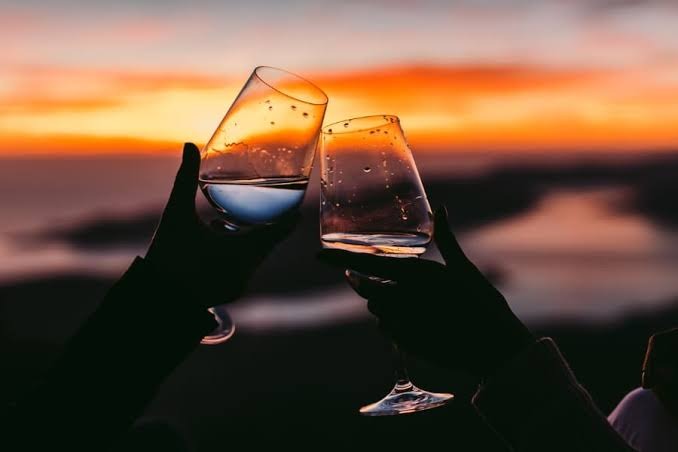
 Years ago, I wrote a post asking whether wine could be sexy. I considered alcohol and wine as an aphrodisiac. Wine as a romantic symbol. I even considered the convenient fact that a bottle of wine, unlike a whisky bottle, is just the right amount for two people. But the argument eventually wandered somewhere more interesting. What wine shares with erotic experience has to do with the kind of attention we pay in each case.
Desire makes us notice things we would otherwise miss. A glance held for a second too long or a change in tone of voice. The way someone moves a hand. None of this would be remarkable in some other context. But once desire takes over these small differences are significant because we’re not sure what they mean. Wine can solicit that same kind of attention.
You sniff a few times and something seems to be happening. A cherry aroma becomes more like plum. When sipping the wine, the tannins seem hard at first, but ten minutes later they feel less severe. Something is shifting right under your nose—literally.
This is one reason I sometimes find very demonstrative wines less interesting. Huge fruit and obvious oak can make a spectacular first impression, but there may not be much reason to go back and taste again. The wine has announced itself. It may change subtly but those main features will likely announce themselves again and again.
More reticent wines are harder to leave alone because so much about them seems unresolved and you feel like you haven’t quite latched onto it yet.
Similarly, erotic attention thrives on uncertainty and opacity. The suspicion that there is still something in the other person you haven’t grasped sustains fascination.
And in wine as in romance, anticipation is part of the pleasure. You want to see where the finish goes or whether a vanishing aroma will return. Older wines can change almost minute by minute n the glass. A Pinot Noir with a few years on it can seem almost transparent, then suddenly give up something earthy or animal that alters everything around it.
It is absolutely thrilling when your romantic partner does that.
So in addition to all the other potential connections, it’s the rhythmic structure of attention that also links wine and romance. You approach, withdraw, return, revise your take on what is happening. The pleasure lies partly in sensation and partly in anticipation, especially when expectations are flouted, and you feel on the edge about what is happening. (Well, OK. This is a bit more exciting in romance when that feeling of being on the edge occurs. We can push the analogy only so far.)
There are worse things, in wine and romance, than being kept guessing.
And sometimes there is wisdom in knowing when not to demand an answer.

