
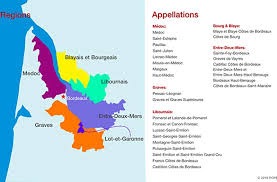
 There’s a reason why a wine lover can recall the shape of a bottle or the slope of a vineyard long before they can conjure the exact aroma of a Savagnin from the Jura. Aromas and flavors are notoriously slippery in the human mind. We struggle to name and categorize them. Memory stumbles; language falters. Try recalling the scent of bergamot without sniffing an Earl Grey teabag and you’ll see the problem.
Enter appellation systems. These geographic classifications—AOC, DOCG, AVA and their ilk—are among the successful attempts in human history to wrangle the volatile and ephemeral into the realm of the knowable. They codify wines not solely by what they taste like (because that changes), but by where and how they are made—grape variety, geography, geology, viticultural practices, and community taste preferences assembled into a handy reference point. In doing so, they give us cognitive scaffolding: a way to sort, remember, and speak about a deeply fluid and embodied phenomenon through stable external markers. Burgundy tastes like this, because of that. It’s not a scent, it’s a structure.
This has been an enormous gift to wine education. In the absence of clear mental categories for aroma and taste, appellations function like flashcards and mnemonics. They anchor learning. They help us build up a map of the wine world, pairing regions with expected styles, profiles, and sensory arcs. As such, they are indispensable tools for anyone trying to develop a pedagogy of wine tasting—whether you’re a sommelier, a student, or simply a passionate amateur learning to trust your palate.
They are also, of course, clever marketing devices. The rules behind Chianti Classico or Chablis are about protecting tradition and regulating quality but also are a form of brand differentiation. In a marketplace crowded with options, appellations help signal trust, place, and prestige. They make it possible for a hilltop in Piemonte to stand apart from its neighbors—and for the consumer to feel, perhaps, a little more cosmopolitan in the process.
But as with all acts of classification, there’s a catch. Categorization is the beginning of inquiry, not its culmination. It helps us notice—but can also blind us to novelty. The very structures that stabilize wine education can come to ossify it. With something as dynamic, fluid, and culturally expressive as taste and aroma, we risk losing the sensuous vitality of wine by focusing too much on what fits and not enough on what escapes. Rules regulate—but they also domesticate.
It’s no surprise, then, that younger drinkers aren’t exactly aflame with reverence for the old-world appellation codes. As The Drinks Business reports , younger generations are increasingly agnostic about appellations, at least in the UK which is the focus of the article. They want wines that taste alive, not wines that come with a passport. They don’t care if it’s from Montalcino or Medoc—only whether it moves them. They favor authenticity, experimentation, and lesser-known regions—particularly in Central and Eastern Europe. Importers are responding by embracing wines from countries such as Czechia, Slovakia, Hungary, and Romania, where native varieties and low-intervention methods align with the values of a freer, more curious drinking culture. These wines appeal not through prestige labels but through character and novelty, offering a dynamic alternative to the rigid categories of classic wine regions—and suggesting that the future of wine may lie beyond the boundaries of appellation.
I’m ambivalent about the appellation system, which has always required a trade off between tradition and innovation. Perhaps the “youngs” in the UK are onto something. Not because rules don’t matter, but because they aren’t everything. The future of wine tasting, like the future of taste itself, lies not just in naming what is but in noticing what might be.
 Exploring the Philosophy of Food and Wine
Nicely parsed! The appellation system at its best is an excellent marketing tool, preserving agricultural land and traditions; at its worst – a restrictive, innovation-squashing, straight jacket. I do think there is opportunity to tell the story of appellation wines through their sense of place and traditions in a way that appeals to the younger generation. We just need new ways to communicate and perhaps some understand this, like Cava DO becoming 100% organic with the 2025 vintage.