
 It is an oft repeated fact that 90% of wine sold in the U.S is consumed within days of purchase. This is not merely a statistic but a symptom: a glimpse into a culture of immediacy that increasingly shapes how we approach pleasure. Wine, like so many other experiences once tethered to time—conversation, courtship, fermentation—is being folded into the logic of instantaneity.
Most of this wine is bought from grocery stores or the temples of commerce like Total Wine. These are not sacred spaces of aging potential or slow contemplation. They are efficient nodes of distribution for entry-level premium wine in the $15-$30—range, wines meant to be drunk now, if not sooner, fast fashion for the palate.
And yet, if we shift the lens toward wines of greater ambition—what we might call genuinely premium wines—we enter a different temporality altogether. These are wines that resist the tyranny of now. Whether red or white, from the sun-drenched New World or the storied slopes of the Old, many of these wines are not at their best when young. Quite the opposite. Their architecture is built to withstand time’s pressure and even to transform under it. Three to five years, at minimum, is required for these wines to begin articulating their more complex notes. Some need a decade or more before they speak in full sentences rather than fragments.
And yet—they are not being allowed to speak.
I’ve spoken to many winemakers who craft wines with this temporal arc in mind who confess that few of their customers lay their wines down for more than a few months.
This raises a rather uncomfortable question: if consumers habitually drink wines before they are ready, what exactly are they experiencing? Certainly not what the winemaker intended. Perhaps not even what the wine itself desires to become.
One could make the pragmatic argument that the wine industry should simply stop making wines to be aged. But to accept this as the norm is to capitulate to a flattening of temporal experience. It is to erase the possibility of anticipation, of patience rewarded, of evolution—a kind of sensual short-circuiting.
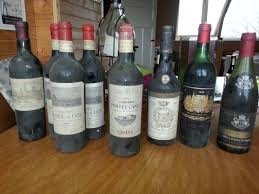
For those of us in the dwindling sect of the cellar-minded, wine is not merely a beverage but a time machine: a liquid memory palace, structured by tannin and acid, where the future can speak through the past. There is no greater pleasure—gastronomically, intellectually, even emotionally—than opening a bottle that has come into itself, that has weathered years of quiet darkness to arrive at expressive fluency.
And this is why it matters. Because if you are drinking young premium wine simply because you didn’t know any better, or because you lack the means or space to age it, you are being sold a simulacrum of what that wine could be. You are paying a premium for potential unrealized. Worse, you may be training your palate to prefer immaturity, to find pleasure only in immediacy. That is not just a disservice to the wine—it is a disservice to you.
Because some things—like meaning, like love, like wine—only reveal themselves in time.
We have been told that wine is too complex and so wine has now been simplified. Now we are told that wine is too slow and must be consumed immediately. Yet wine sales continue to decline. Might there be a connection? Could it be that wine is no longer allowed to be what it is? If younger consumers want authenticity, why are we offering them wine that’s been neutered, hurried, and hollowed out? When did wine become ashamed of being wine?
 Exploring the Philosophy of Food and Wine
Orson Wells had it right when he said, “We will sell no wine before it’s time.” There are producers out there who wait until a wine is in a decent drinking window to release it. That applies to cheap varietal wines that should be drunk within a year or two & to Rioja Gran Reserva. 200 Monges has their delicious 2009 Blanco available for sale on their site. While it might get better with a bit of time, the 16 years of age at the time of release puts it squarely in its drinking window.
It’s really a choice by producers, generally driven by financial concerns.
Yes. There are many producers who hold back their releases. But as you suggest that is financially difficult to do. It has to be a labor of love
I agree there is much to say about our fast food/fashion culture in all of this. As for me, I don’t have the right circumstances to set aside wine. My solution is to purchase an appropriately aged wine when I am looking for that experience, generally when dining out. As for the future of wine appreciation, I worry for it as I worry for the future of nuanced thought and general human kindness.
Thanks for your comment Greg. Perhaps its no coincidence that wine appreciation, nuanced thought, and kindness seem to be declining in concert.