
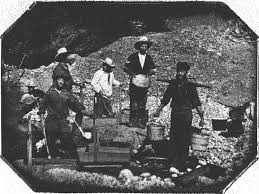
 The world of food and wine runs on nostalgia. Wine perhaps more than food. The labels, the cellar lore, the talk of old vines and ancestral methods, the image of the vigneron out in the fog at dawn, hands stained purple by harvest and destiny. Food has its own version of this theater. We chase heritage tomatoes, ferment our own vinegar, cure pork belly, bake sourdough, and talk about “real” ingredients as if somewhere in the past there existed a nation of wise grandmothers making perfect pies while children shelled beans under a kitchen window.
Of course that picture is mostly fiction.
The history of wine was not one long golden age of honest farmers making transparent expressions of place. Plenty of old wine was faulty, oxidized, cooked, unstable, or simply unpleasant. A hard rain at the wrong time could wreck a vintage. Fermentations went sideways. Cellars were dirty. Temperature control barely existed. For every bottle that might have captured something profound about a site, there were many more that tasted like microbial improvisation gone wrong.
The history of food is no less unsavory. For most people, most of the time, food was scarce, expensive, repetitive, and often unsafe. Kitchens were labor-intensive workshops, not cozy stage sets. Women carried much of that burden, and the better the table, the more likely it rested on exhausting, underpaid labor. The “good old days” were good mostly if you were wealthy enough to stand back from the drudgery.
That is what nostalgia does. It edits. It removes the grime, the hunger, the backbreaking work, the spoiled barrels, the kitchen burns, the bad sanitation, and leaves us with the warm lighting.
So does that make our fascination with old foodways and traditional winegrowing a form of kitsch? Sometimes, yes. There is a lazy version of culinary nostalgia that packages the past as a feeling. It gives you the emotional payoff of authenticity without asking you to think very hard about history. A barnwood tasting room, a few chickens in the yard, a menu printed in a rustic font, and suddenly everyone feels they are drinking moral virtue. That is kitsch.
But that is not the whole story, and it is not the most important story.
The Greek roots of “nostalgia” mean a longing to return home. Yet most serious wine lovers and culinarians are not trying to go home, because home, historically, was often a rough place. What they want is not restoration but recovery. They want to retrieve possibilities from the past that industrial modernity buried under convenience, standardization, and shelf stability. That is a very different impulse.
In wine this matters a great deal. The artisanal turn in wine did not simply sell us peasant cosplay. At its best, it re-opened dimensions of taste that industrial production had narrowed. Smaller-scale growers, attention to site, lower-intervention methods when intelligently used, farming that respects variation rather than suppressing it, all of this expanded our palate. It taught drinkers to notice texture, unpredictability, savory notes, structural tension, and the stubborn fact that one patch of land does not speak in quite the same accent as another. That is education by the senses, not kitsch.
The same goes for food. The revival of older grains, regional recipes, fermentation practices, seasonal cooking, careful butchery, natural leavening, and ingredient-specific craft has not merely produced better marketing. It has produced better tasting. It has widened the range of what people can perceive and enjoy. It has made bitterness, funk, earthiness, acidity, and textural irregularity available as pleasures rather than defects. In other words, it has advanced the cause of taste by making taste less infantile.
Kitsch flatters your feelings. Artisanal food and wine, at their best, train your attention. They ask more of you. They do not offer a fake return to the past. They use the past as material, as a storehouse of neglected techniques and forgotten distinctions, in order to build a richer future for the palate. The analogy is not costume drama. It is more like what rock musicians did with the blues. They did not recreate the Mississippi Delta. They borrowed, transformed, amplified, and made something new.
So yes, food and wine are full of myth. They always will be. But not every backward glance is sentimental nonsense. Some of it is an effort to rescue standards of flavor, texture, and complexity that mass production nearly destroyed. Some of it is a refusal to accept that efficiency should set the limits of pleasure.
And that seems to me the real defense of artisanal wine and food. They have helped teach us how to taste.
 Exploring the Philosophy of Food and Wine