
 Yes. But not as much as people often assume.
In the United States, “Estate Bottled” is a legal term. It means the winery grew all the grapes on land it owns or controls, those grapes came from within the labeled AVA, the winery is located in that same AVA, and the wine was crushed, fermented, aged, finished, and bottled there as one continuous process. The wine cannot leave the bottling winery’s premises and still claim to be Estate Bottled.
That is more demanding than many consumers realize.
It is also different from the word “estate.” “Estate Bottled” is regulated. “Estate” by itself is not have the same legal implications. So if you see “estate grown,” “from the estate,” or some other estate-adjacent flourish, it does not have the legal status of “Estate Bottled.” The law is quite specific here.
None of this is a guarantee that the wine is good, but it does tell you something useful.
For one thing, it rules out a familiar bit of winery smoke and mirrors. An estate bottled wine cannot simply be bulk wine bought from somewhere else, dressed up with an attractive label, and sold as if it emerged organically from the property out back. That alone is worth knowing.
It also suggests a certain degree of accountability. If a winery controls the farming, handles the fruit, and keeps the wine on site from crush to bottling, there are fewer opportunities to lose track of what happened. That does not guarantee excellence. But it does mean the winery is more fully responsible for the finished product. And responsibility, in wine as elsewhere, is not nothing.
There are, however, several reasons not to romanticize the term.
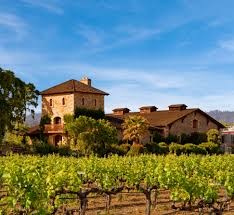
First, “controlled” does not mean owned. A wine can qualify as Estate Bottled if the vineyard in which the grapes are grown is controlled through a lease or similar agreement. That can work well. Some leased vineyards are farmed brilliantly. But it also means “estate bottled” does not automatically conjure up the old image of a family domain whose vineyards wrap neatly around the cellar like a postcard from Tuscany.
Second, the AVA requirement does less than many people think. AVAs can be large, heterogeneous places. Vineyards from the same AVA can differ dramatically in exposure, elevation, climate, and soil. So “Estate Bottled” does not mean single-vineyard, and it does not by itself mean transparent terroir expression. A winery can blend fruit from different sites within the AVA and still qualify.
Third, control is only as good as the standards behind it. If a winery controls its vineyards but farms for yield, over-crops, picks carelessly, or chases a market style at the expense of site character, estate control won’t save the wine. Bad decisions made in-house are still bad decisions.
And yet I would not dismiss the term as meaningless.
It is not a badge of quality. I’ve had many excellent wines made from purchased fruit grown by independent farmers who know exactly what they are doing. Good growers matter as much as good wineries, and sometimes more. Nor is careful transport of grapes or finished wine necessarily fatal to quality. Competent producers handle that well all the time.
But “Estate Bottled” does indicate a tighter chain of custody, more direct viticultural responsibility, and a production process with fewer handoffs. That can matter. Wine quality often depends on a thousand small decisions, and the fewer opportunities there are for fruit or wine to be mishandled, the better.
So “Estate Bottled” tells you the winery had direct control over the grapes and the production process, and it tells you the wine was not assembled from anonymous purchased lots. Those are real advantages.
The designation tells you something about provenance and responsibility but not about beauty, distinction, or depth. For that, you still have to taste the wine.
 Exploring the Philosophy of Food and Wine