
 Most premium wine is consumed before it hits peak quality. Estimates suggest upward of 90% of wine in the U.S. is opened within a week of purchase. This includes no small share of bottles that would have blossomed with time. Is this a small tragedy, something we wine geeks should lament and regret, especially if we contribute to such a sin against taste? Only if you take a museum view of pleasure. I don’t. I take the kitchen table view. We drink for company and consolation, for a Tuesday roast chicken and a Friday argument, for curiosity, ritual, celebration, relief, as well as quality. Peak quality is a virtue; it is not a duty.
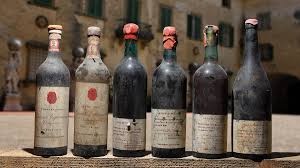
Many premium reds and whites do in fact improve with age—often markedly across three to five years after release; some (especially from certain Old World traditions, with New World exceptions) don’t fully arrive for a decade or more. That temporal arc matters.The structure relaxes, the fruit deepens, the edges knit. It is indeed a sight to behold.
But a younger wine can also be exactly right for the moment: brisk, tensile, brimming with primary fruit, its energy unconcealed by all that tertiary profundity. To insist the only proper way to value such a bottle is by lamenting the fact you didn’t taste its superior future self is a curious form of asceticism—the aesthetic equivalent of eating lunch while wishing it were dinner. Enjoyment plus counterfactual regret equals net loss. Why sabotage a good moment by mourning the one you didn’t choose?
Industry insiders know that very few consumers consistently age their premium purchases, even among the crowd that buys “serious wine.” So winemakers shrug and make two tiers—an accessible bottle intended to charm on release, and a sterner, age-worthy sibling built to go long. That dual strategy is not capitulation; it’s pluralism. Different wines for different tempos of life.
Which brings me to logistics. If you buy lots of premium wine, aging every bottle is a fantasy unless you live with a large, temperature-controlled cellar and a ledger. Most of us don’t—and shouldn’t pretend we do. Proper aging is fussy (temperature stability, proper humidity, and proper bottle orientation), time-consuming, and psychologically costly when the stack of “do not touch” begins to glare at you. For most drinkers, the cost—in money, space, and attention—will outweigh the marginal gains of aging every premium bottle you buy.
So here’s a saner ethic, one that fits ordinary life without abandoning the drama of maturity: age some of your wine. A shelf, a fridge, a corner—whatever you can spare—devoted to bottles whose peak you truly want to meet on special nights. Meanwhile, let the rest do what wine has always done best: gather people, light up food, spark talk. With that Tuesday roast chicken, drink the vivid young thing with its quicksilver fruit. On the anniversary, pull the bottle that has learned to speak in paragraphs. Either way, you’re not betraying wine; you’re honoring the plural ways it gives pleasure.
 Exploring the Philosophy of Food and Wine