
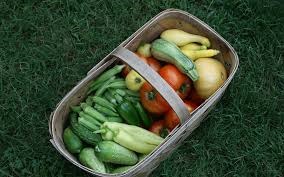
 Are there good reasons to eat seasonally?
There are environmental reasons. Eating fruits and vegetables out of season usually means they have to be transported from afar or grown in expensive-to-maintain greenhouses.
Foods harvested during their natural season taste better than foods that are shipped, in part, because foods that are shipped have to be harvested before they are ripe. But there are many foods, especially those with thick rinds, that withstand shipping reasonably well. Of course nothing compares to corn just picked from the stalk or tomatoes grown in your backyard. But if you like something out of season it may be good enough even if it isn’t perfect. There is no point in being fanatical about it.
There are more esoteric reasons to eat what’s in season. Too much of a good thing can get old and we get intense pleasure tasting something we’ve been deprived of for several months. Forgoing something that is not at its best may be worth it if that deprivation will get you more intense pleasure when its season finally comes around.
Furthermore, when we pay attention to the changes that each season brings, we have more variation in life. The more variation each season brings, assuming the variations are enjoyable, the more there is to appreciate.
But there is a more philosophical reason to enjoy the distinctness of each season. We become more attuned to the flow of time. We watch green shoots emerge in the early spring, growing by leaps and bounds when gentle rains come. We witness the fruit setting and ripening later on its way to that moment when it must be picked to get maximum flavor. The early signs of autumn appear even before summer has left, as leaves begin to wilt in the August sun. Then the final vestiges of the summer crop struggles to ripen as temperatures dip and the first frost threatens. Inevitably thoughts turn to next year and the year after, to plans that need to be implemented now if the future is to be fruitful.
Attentiveness to seasonal changes and the flow of time gives us a bitter-sweet sense of the transience of things, the remorseless cycle of life and death that demands of us that we appreciate what life brings at every moment.
The Japanese have an aesthetic concept for this awareness of the passage of time—mono no aware, the “pathos of things,” a recognition of their impermanence and sadness at their passing.
If the practice of eating seasonally brings us this enhanced aesthetic awareness of impermanence, perhaps that is the best reason for doing so.
 Exploring the Philosophy of Food and Wine
Thank you for your article. Eating seasonally has been my mantra for the reasons you identified and because it is often less expensive than produce shipped in from other countries and supports local farmers/economies.