
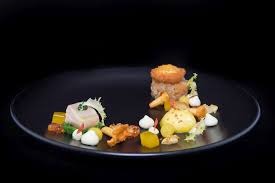
 Tradition his its virtues and history certainly teaches us lessons. We are creatures of culture and so we belong to communities that have histories, values, and traditions. When we eat traditional dishes we are consuming that culture. The story we are being told is clear and easily understood. Traditional dishes give us pleasure because of this legibility and the emotional resonances that legibility creates. Eating becomes a confirmation of belonging. We eat for love as much as we eat for nutrition.
However, if culinary creations are to be a form of art, they cannot be the endless repetition of the same dishes nor can the chef be overly attached to tradition. Art involves the idea of creation, of novelty. And so culinary art must involve the continuous invention or reinvention of dishes. Cooking becomes culinary art, only if the cook refuses to tolerate repetition from year to year, season to season, or day to day.
So how can we innovate in cooking when tradition and its legibility is such a powerful force?
Mere novelty is of no value. Novelty is easy to come by. Anyone can make unconventional flavor pairings and call it innovative. The question is which novel combinations are good. Perhaps any combination of flavors and textures is potentially good. It may be only a question of expertise, knowing the potential of various ingredients and how to put them together. But therein lies the difficulty—how to create something new that is compelling enough to overcome the allure of familiarity.
Of course, as much as we crave familiarity, when it comes to cuisine, variation is important to most of us. We get bored eating the same food all the time. Perhaps we need variation as much as we need tradition.
The possibility of culinary art depends on diners turning that need for significant variation into a craving.
 Exploring the Philosophy of Food and Wine