
 One current moral imperative that has captured the world of food and wine is that we should know where our food and wine comes from. We should know the producer of the ingredients we eat, what makes them distinctive in their production methods, and assess whether they adhere to moral standards such as sustainability and the ethical treatment of animals and employees.
But this is easier said than done. Even if we intend to shop with discrimination by asking the right questions and doing research, we still have to depend mostly on reputation, hearsay, and labeling that certifies an origin such as Europe’s PDO (Protected Designation of Origin) regulations.
It goes without saying that hearsay and reputation can be unreliable. But what about those certifications that guarantee origins? Are they reliable? That depends on what kind of guarantee you’re looking for.
Many people assume that the PDO system ensures that certified products are made locally in the traditional way, from ingredients that are also produced locally in traditional ways. But that is mistaken.
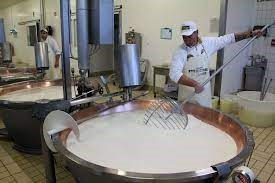
For example, the PDO regulations describe Pecorino Romano as “a hard, cooked cheese produced exclusively from fresh full-fat sheep’s milk.” The regulations also specify an area of origin; the milk production, cheese production, and maturing along with the marketing operations must be carried out in Sardinia, Lazio, or the province of Gosseto. And the rules specify the size, shape, and weight of the cheeses, the minimum fat content, the temperature of the souring and cooking and the length of maturation. But there is no stipulation that traditional, artisanal methods must be use. In fact, these regulations can be more easily satisfied using industrial methods since control of factors such as temperature and aging environment is more readily achieved using industrial technology. So when you buy Pecorino Romano, you are not necessarily getting an artisanal product. You have to know the production methods of individual producers if you care about this.
What about Parmigiano Reggiano? Is it made by happy cows grazing freely in bucolic pastures? Of course not. The regulations permit the unifeed technique in which all feed ingredients are combined in a homogenous mixture and then fed to the cows.
The same is true of PDO wine regulations. The regulations specify the region in which the grapes are grown and often specify yields and ageing requirements, but production methods are limited to “recognized and recorded know how”.” There is no requirement that production be artisanal or traditional.
In short, if you want to know the quality and origins of the food or beverages you buy, you can’t rely on labels. You have to read the regulations, talk to the producers, and rely on expert testimony to gain this knowledge. Knowledge about how employees are treated is especially hard to come by.
Is this kind of knowledge of what we’re consuming worth that much effort?
Knowledge, of course, can increase our appreciation of what we’re eating or drinking. If there are moral considerations that guide your food choices, then it may be worth it to discover the relevant information depending on how much you care about the moral issues.
But if the question is primarily about taste there is only one way to be sure—taste! If the variations in flavor that arise from producers using artisanal methods are important to you, then doing that research may be worth it. But if you’re happy with the standardized products made by industrial producers, it’s probably not worth it to put in the effort to know origins. For we wine geeks those variations matter; for most consumers I suspect they don’t.
Of course, chefs who care about the distinctiveness of their product may care a lot about this. Diners may or may not.
 Exploring the Philosophy of Food and Wine