
 Wine is extraordinary because, unlike other foods and beverages, it can improve with age. The best reason to drink aged wines is that they develop flavors and aromas that can only be experienced via the aging process. But that cannot be the only reason some of us are fascinated by aged wines because, frankly, some of them don’t have a lot of flavor left to experience. Eventually the fruit flavors fade, the mouthfeel loses its lushness and becomes little more than a mouthful of acid. Yet there is still something worthy of reverence about popping the cork (or carefully easing it out) on a really old bottle.
Most age-worthy wines improve for 15-20 years before beginning their decline although some—from Barolo, the best vintages of Bordeaux, a few Rieslings—have a reputation for aging 50-60 years. The question is whether they actually improve over that long span of time.
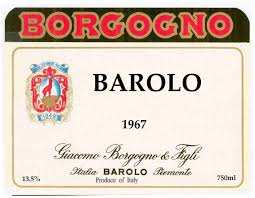
At our recent Wine Elite San Diego meeting we opened this Barolo from 1967. Surprisingly, it still shows classic dried floral aromas and some tar, with licorice notes enveloped by smoke and ash. There is plenty of aromatic complexity to explore, although the fruit is now almost unidentifiable. The loss of fruit leaves the palate feeling austere but, with persistent firm tannins and high acidity, the impression of vibrancy and power is apparent even as the wine fades into senescence.
Although past its prime, this survivor from the 60’s soldiers on with still much to give. Should it have been opened 15 years ago? I don’t think so. Survival itself is worthy of admiration especially when it exudes such impressive signs of life.
As I write this, I’m gazing at the fiercely-etched, 1000-ft. high stone pillars in Navajo Country’s Monument Valley, survivors of millions of years of erosion from wind and rain. Barolos such as this Riserva are the monuments of the wine world.
 Exploring the Philosophy of Food and Wine