
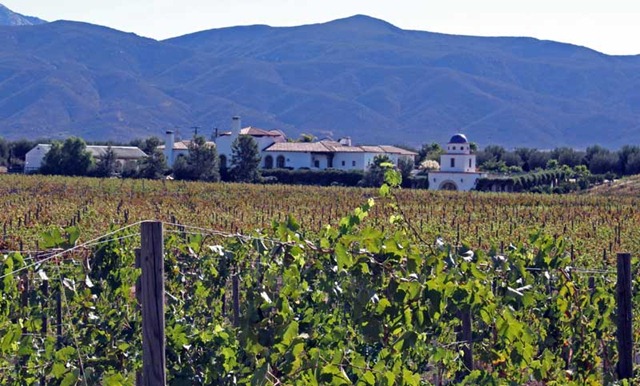
 The land of tequila is now making wine—good wine—and is fast becoming a must-visit destination for wine lovers looking for new regions to explore. I had the opportunity for a short visit earlier this month, which has whetted my appetite for a longer, more extensive exploration.
The prime winemaking region in Mexico is the Guadalupe Valley on the Baja Peninsula about 15 miles Northeast of Ensenada and 1 1/2 hours from San Diego (assuming you get lucky with a short wait at the border). The main roads are in good shape but many wineries are located on rutted, labyrinthine dirt roads far from the main drag, and street signs are virtually non-existent. Furthermore, many of the wineries require appointments. I recommend that travelers unfamiliar with the region hire a driver with the wine knowledge and contacts to give you a good, but uncomplicated, overview of the valley. (Our driver was Alain Preisser of Baja Wine And Sun tours. I highly recommend him. He speaks English, is a good driver, and knows the region well.)
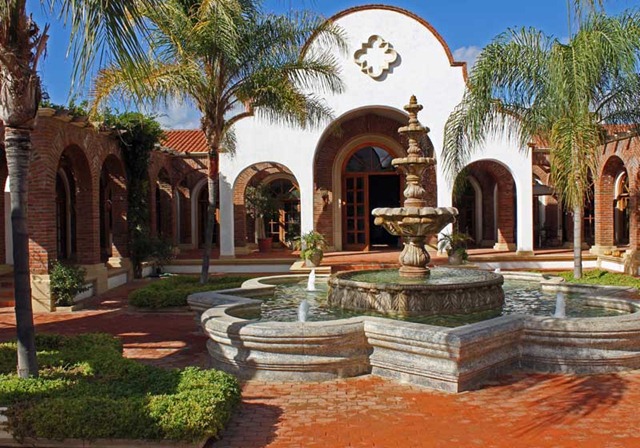 Any tour of the region should start with Adobe Guadalupe, a winery and bed-and-breakfast offering charming, well-appointed accommodations with lovely Moorish/Mexican architecture, an on-premises restaurant serving a competent, if over-priced dinner, and most importantly, delicious wines.
I found the 2011 rosé (called Uriel) and the earthy, mysterious Rafael, a Cabernet/Nebbiolo blend, to be the highlights although all of their wines are worth sampling.
The valley features at least two fabulous restaurants. The better-known is Laja. Housed in a charming adobe building with picture windows overlooking the valley, Laja offers 4 or 8 course prix-fixe meals made from local ingredients, many grown in their own garden. 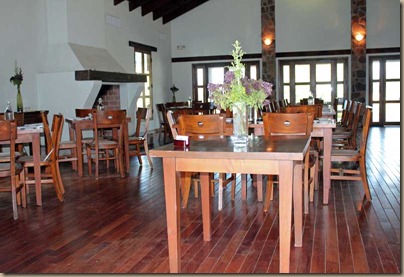 This is Mexican “alta cocina” with touches of Mediterranean cooking—plenty of local olive oil, fresh fish, and vegetables—served with a Mexican heart. The grilled squid was the best dish of the trip. Do not expect tacos.
But despite Laja’s reputation, I must say it was topped by dinner at Corazon de Tierra restaurant at the La Villa del Valle. The six-course tasting menu was extraordinary, especially the Dashi Soup with Geoduck Clam Tempura and Mushrooms, and the perfectly cooked Ribeye served with an intriguing, smoked eggplant and squid ink puree. 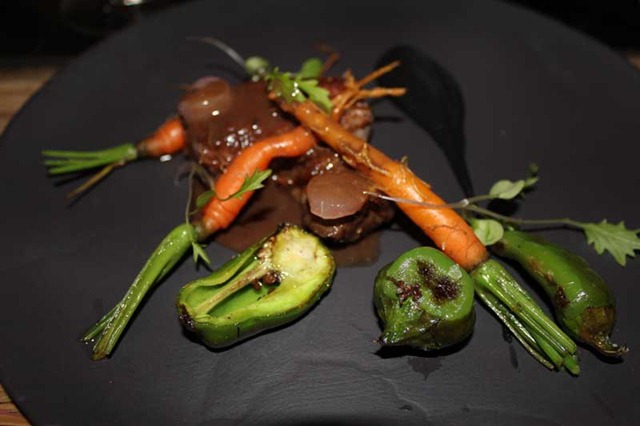
“Alta cocina” with an Asian twist, Corazon makes its own wines and olive oil and features local ingredients, many grown on their property. The winery, Vene Cava, is unique and worth a tour for its sheer whimsy. It is constructed out of 3 upside down fishing boats nestled into a cave built on the side of a hill.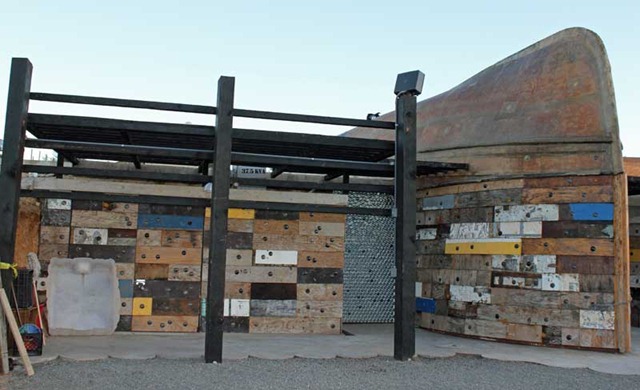
The wines are also enjoyable, especially the 2010 Tempranillo which had deep, rich flavor and a complex nose featuring chocolate and spice.
Although not quite on the level of the French Laundry or other top wine-country restaurants in the U.S., these two restaurants offer much better value. The dinner at Corazon was $55 per person plus wine, roughly 1/8th the cost of a meal at the quintessential Napa establishment.
Guadalupe Valley wineries are still in the experimental stage searching for what works best in their microclimates. They emphasize Bordeaux and Southern Rhone- style red blends with an occasional Chardonnay or Sauvignon Blanc. Italian varietals are also popular, but I was most impressed with the juicy and complex Tempranillos.
Many of the wines have a distinctive flavor best described as salted plum, a characteristic which the locals attribute to the water. Whatever its source, it is unique to the region and a distinctive, savory experience. L.A. Cetto and Monte Chenic are the large commercial producers in the region. But I found the smaller, boutique wineries more intriguing. For polished and refined offerings visit Vinisterra. Their Syrah/Mourvedre blend called Pedrigal had a huge mid-palate and a lovely finish, and their complex 2007 Tempranillo was the best of this varietal that I tasted. Vinas de Garza makes several high-scoring red wines, especially the Amado 2007, an unusual, spicy blend of Cabernet, Tempranillo, Merlot, and Zinfandel. Their Chardonnay/Sauvignon Blanc blend was the most interesting wine of the trip. Called Rancho Morgocito Blanco, it was clean, crisp, and a bit salty with grapefruit, grass, and yoghurt on the nose and an exceedingly long and flavorful finish.
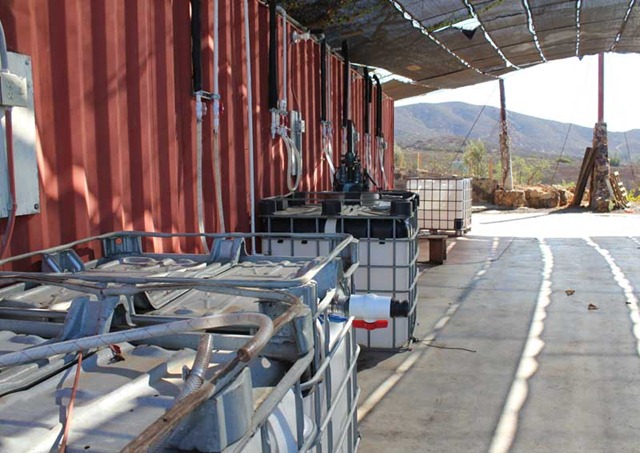 For a funky, down-to-earth experience visit Très Mujares, a low-tech winery run by three women who make rustic, yet beguiling wines, especially the Merlot which was lush and soft but with good acidity.
The quality wines we tasted were not cheap. Most of the reds will run at least $30 per bottle and some are considerably more. Most are not available at retail stores in the U.S. One drawback to tasting wine in the Guadalupe Valley is that California allows only one bottle per person to come back across the border. I’m sure the Napa wineries were influential in getting that regulation passed. But I regretted not being able to stock up. Many of these wines are available online from this source.
It is obvious that Guadalupe Valley is attracting a lot of investment money as they strive to become a wine tourist destination. The contrast between the upscale eateries and tasting rooms and the grinding poverty in the village is fascinating and disturbing. I was struck by the apparent absence of a middle class. It is to be hoped the wineries, when they become profitable, will plow some of that money into their community.
Despite the fine restaurants and the well-run wineries with helpful, knowledgeable staff, the Guadalupe Valley is not Napa. It is growing, the tourist infrastructure is improving, but it is still an emerging region that faces considerable challenges. All of which makes it an alluring destination for an unusual yet thoroughly tasty experience.
 Exploring the Philosophy of Food and Wine