
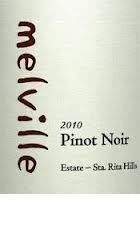
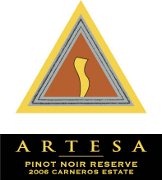
My go-to wine at Thanksgiving is always Pinot Noir. Its modest weight, velvet texture, good acidity, and earth notes compliment the diverse dishes scattered about the table better than any other varietal. But the question is always which Pinot—something a little flamboyant and impressive to mark the occasion as a celebration, or something restrained, in the background, an accompaniment to the proceedings, not the star.
The most impressive wine at a tasting may not be the best food wine—a lesson I’ve learned the hard way. So this year I decided to serve two Pinots in contrasting styles—a young, fruit-forward, complex wine with a long finish and a more restrained, softer, more elegant wine with some age on it.
The younger, robust offering was the Melville 2010 Estate Pinot Noir from Sta. Rita Hills. Plenty of ripe raspberry, black cherry, and herbal notes carried all the way through the long finish characterized by surprisingly grippy tannins. The finish made the wine feel big, despite the medium body. It was partnered with the 2006 Artesa Estate Reserve Pinot from Carneros. Extraordinarily well-balanced with soft black fruits, forest floor, and a silky, expressive finish, the Artesa was the picture of restrained elegance.
So which wine was the most preferred? The hands down winner was Artesa. The Melville was simply too young, too disjoint to tie the variety of flavors together, to help them harmonize, especially when the grippy tannins distract one’s attention from the food. The Artesa was much less powerful but much more influential. The silky mouthfeel and fully integrated acidity and tannin seemed to give every mouthful of food another dimension without calling too much attention to itself.
Much of the debate about Pinot Noir is concerned with alcohol levels. But both of these wines were on the high side for Pinot—14.3% and 14.5%. The difference was age. The riper, California style of Pinot Noir needs 3-5 years of cellaring before it reaches its potential as a food wine.
 Exploring the Philosophy of Food and Wine